The Essential Guide to Surface Polishing: What It Does and Where It’s Used
- Share
- publisher
- Lynn
- Issue Time
- Jun 20,2025
Summary
Polishing is a critical surface treatment process. It transforms rough, uneven surfaces into smooth, functional, or visually appealing finishes. This isn’t just about making things shiny. Polishing solves real-world problems across industries—from stopping corrosion in medical tools to reducing friction in aircraft engines. Here’s a straightforward breakdown of how polishing works, the results it delivers, and where it’s used every day.
The Essential Guide to Surface Polishing: What It Does and Where It’s Used
Polishing is a critical surface treatment process. It transforms rough, uneven surfaces into smooth, functional, or visually appealing finishes. This isn’t just about making things shiny. Polishing solves real-world problems across industries—from stopping corrosion in medical tools to reducing friction in aircraft engines. Here’s a straightforward breakdown of how polishing works, the results it delivers, and where it’s used every day.
What Polishing Achieves
Polishing removes tiny amounts of material (usually 0.1–10 μm) using abrasives, chemicals, or electricity. This refines surfaces in measurable ways:
-
Smoothness & Reduced Roughness
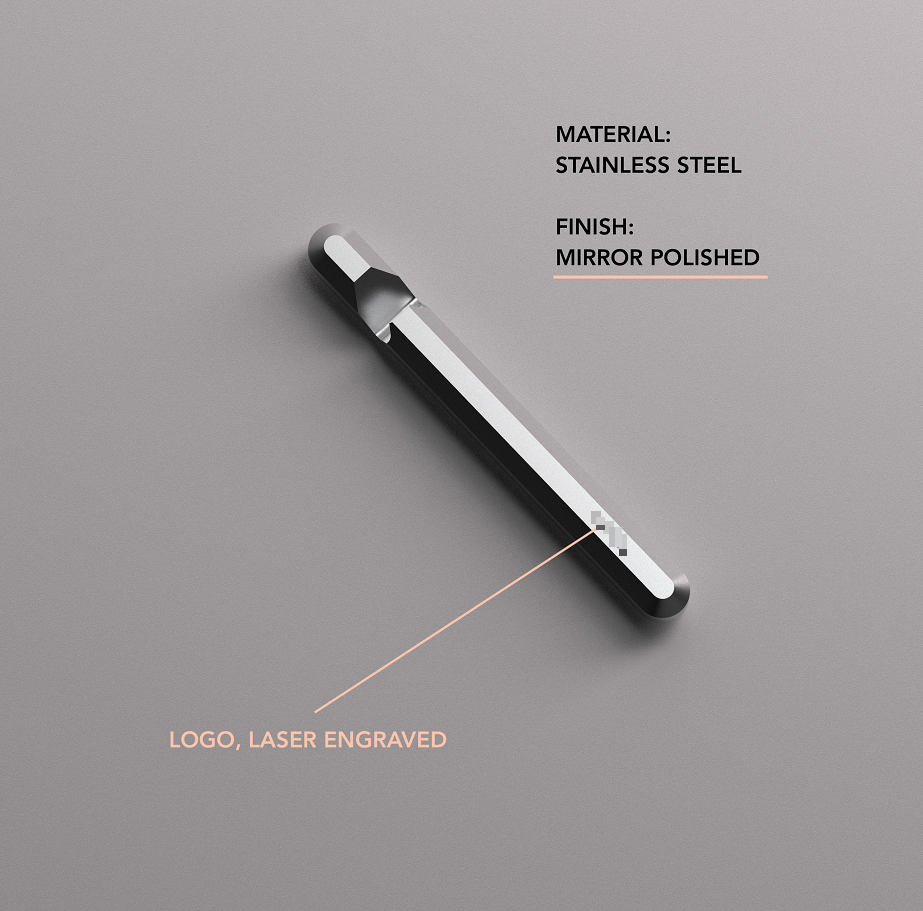
- Mirror finishes achieve roughness (Ra) ≤0.02 μm, making surfaces highly reflective (>90% light reflectivity).
- Matte finishes range between 0.1–1 μm Ra, scattering light to cut glare.
- Rough surfaces trap contaminants and wear faster. Polishing eliminates micro-cracks and pits, boosting durability. For example, polished stainless steel resists corrosion 30% longer than unpolished steel in salty environments 1.
-
Corrosion Resistance
- Smooth surfaces leave fewer places for moisture or chemicals to collect. Electrochemically polished stainless steel withstands 2,000+ hours in salt spray tests. This is vital for medical implants or coastal infrastructure 1,5.
-
Aesthetic Enhancement
- Mirror finishes create luxury appeal (e.g., jewelry, watch cases).
- Matte/satin finishes offer modern, fingerprint-resistant looks (e.g., smartphones, kitchen appliances) 1,3.
-
Functional Performance
- Reduced friction: Polished turbine blades in jet engines improve fuel efficiency by 2–3%.
- Hygiene: Non-porous polished surfaces in food processing or hospitals resist bacteria growth.
- Adhesion: Matte finishes (0.5–1 μm Ra) improve paint and coating adhesion by 150% compared to raw metal 1,5.
How Polishing Works: Key Methods
Different techniques suit different materials and goals:
| Method | Process | Best For | Surface Roughness (Ra) |
|---|---|---|---|
| Mechanical Polishing | Abrasive pads/wheels (e.g., diamond, aluminum oxide) grind surfaces progressively. | Metals, plastics, composites. Common in automotive trim or architectural metal. | 0.01–1.0 μm |
| Electrochemical Polishing | Metal immersed in electrolyte; electric current dissolves surface irregularities. | Complex shapes (e.g., surgical tools). Boosts corrosion resistance. | ≤0.01 μm |
| Chemical Polishing | Acid solutions (e.g., phosphoric/nitric acid) dissolve imperfections. | Delicate parts (e.g., electronics connectors). No physical contact needed. | 0.1–0.5 μm |
| Vapor Polishing | Solvent vapors melt surface layers of plastics (e.g., acrylic, polycarbonate). | Optical clarity in lenses or displays. | 0.02–0.1 μm |
Note: Multi-stage processes (e.g., grinding → polishing → buffing) yield the best results 1,4,5.
Where Polishing Is Used
Polishing isn’t a niche process. It’s essential in these fields:
-
Medical & Dental
- Surgical tools use matte polishing to reduce glare during operations.
- Implants (e.g., hip joints) are mirror-polished to prevent bacterial adhesion and tissue irritation.
- Dental porcelain is polished to ≤0.5 μm Ra for biocompatibility and stain resistance 1,7.
-
Aerospace & Automotive
- Polished turbine blades cut air resistance, saving fuel.
- Engine parts and wheel rims use mirror or satin finishes for durability + style.
- Interior components (e.g., dashboards) use matte finishes to hide fingerprints 1,5.
-
Architecture & Consumer Goods
- Stainless steel facades (e.g., skyscrapers) rely on mirror polishing for reflectivity.
- Smartphones and appliances use matte polishing for sleek, scratch-resistant surfaces.
- Jewelry uses ultra-fine polishing to maximize light reflection in gems and metals 1,3.
-
Industrial Equipment
- Hydraulic valves are polished to prevent fluid leaks.
- Machine guides use polished surfaces to reduce friction and wear 1,3.
Why Polishing Matters More Than Ever
- Durability: Polished surfaces last longer. Mirror-finished stainless steel retains its look for 5–10 years; matte finishes last over a decade 1.
- Cost Efficiency: Though labor-intensive, polishing reduces long-term costs (e.g., less maintenance, fewer replacements).
- Sustainability: Mechanical polishing generates waste (e.g., used abrasives), but newer methods like electrochemical polishing use eco-friendly chemicals and recyclables 1,5.
Key Considerations Before Polishing
- Material Matters: Stainless steel and chrome polish well. Soft metals (copper, gold) need gentler abrasives.
- Finish Type: Mirror finishes demand regular upkeep. Matte hides scratches better.
- Precision Needs: For critical tolerances (e.g., aerospace parts), electrochemical polishing removes material evenly without altering dimensions 1,5.
Polishing turns functional surfaces into high-performance assets. It’s where engineering meets aesthetics—solving real problems while making products last longer and look better. Whether it’s a life-saving implant or the phone in your pocket, polishing plays a silent but vital role.